

 416 588 5273
Tenant insurance isn’t legally required in Ontario, but many landlords now include it as a lease condition. It protects renters’ personal belongings, covering liability if they cause damage or injury, and helps with living expenses after covered losses have occurred.
Many renters may think tenant insurance coverage is unnecessary, but it shields you from major financial and liability risks. Home insurance protects the structure against specific damage, while landlord’s insurance covers rental-related risks. However, neither policy protects your best interests.
For personal property and liability coverage, consider investing in renters’ insurance. It’s a policy specially curated to protect your personal belongings and living arrangements, covering losses that would otherwise come out of pocket during crises.
Let’s break down everything you need to know about the tenant insurance requirement in Ontario.
What is Tenant Renters Insurance Policy?
Tenant insurance is a contract for renters that covers personal belongings, protects against legal liability claims, and may cover damage to the rental property. Some policies also provide benefits for additional living expenses if the unit becomes uninhabitable due to a covered incident.
When you get tenant insurance, you choose your own coverage limits because Ontario doesn’t set mandatory minimums. As expected, a lower payout is more affordable. However, you may need to cover damages out of pocket if you're underinsured for coverage categories that align with your risk profile.
|
When does tenant insurance become useful? Here are some unexpected events and incidents where you might find a policy helpful:
|
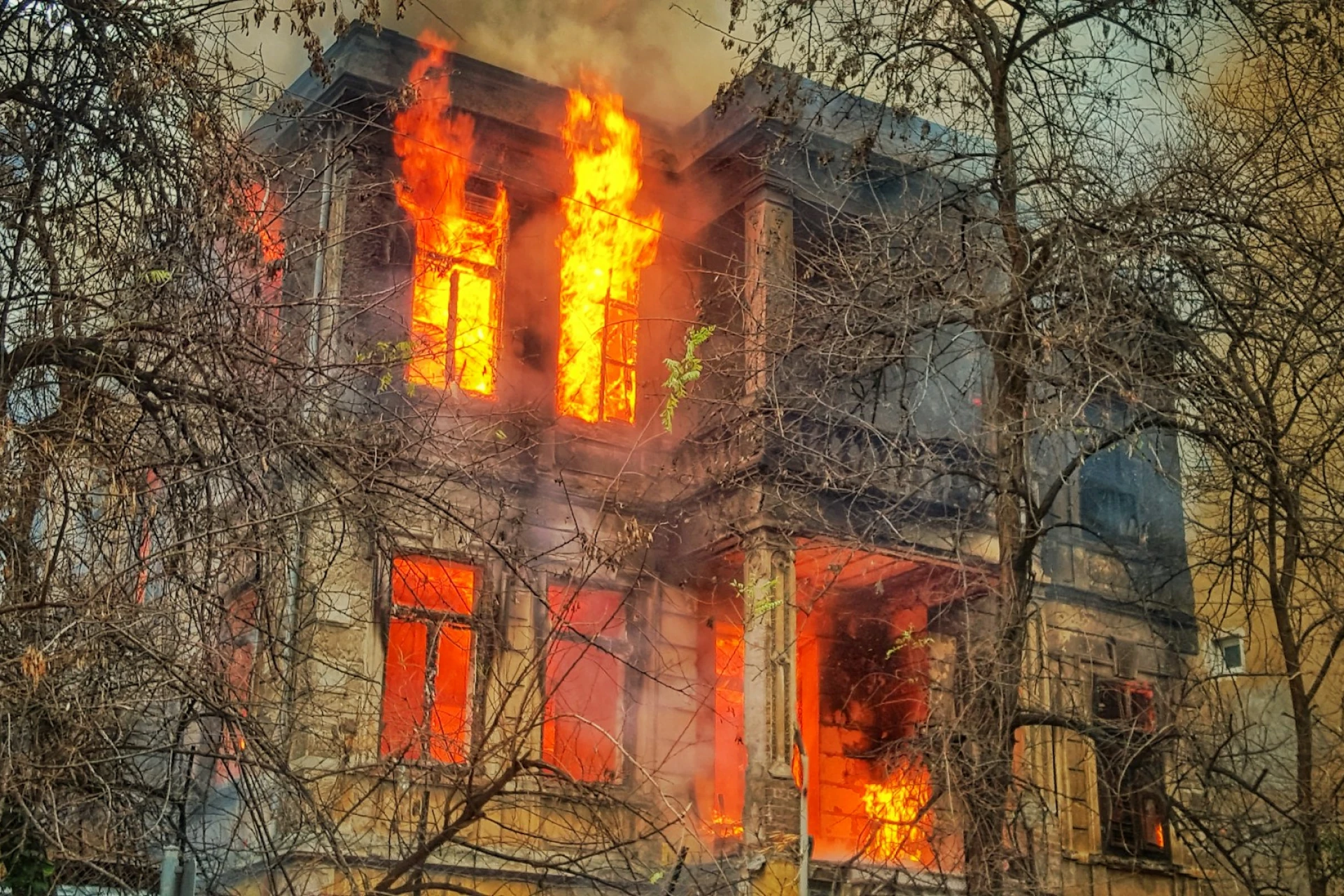
Source: Unsplash
What Does Tenant Insurance Cover?
The actual scope of your protection will vary based on your provider, but most tenant insurance policies include the following coverages:
Personal Property
Personal property refers to the items you own within your rental unit. You can file a claim if a covered loss affects your furniture, clothing, electronics, and appliances. However, it won’t include someone else’s property, like the landlord’s fixtures or furnishings, nor does it cover the building itself.
Some insured events are fire, theft, vandalism, smoke, and burst-pipe water damage. After verifying a claim, the settlement would be based on the actual cash value or replacement cost of your damaged property.
Personal Liability
Personal liability covers the legal defence costs, settlements, and court-awarded damages if you’re held responsible for bodily injury or property damage to others. Here are some incidents where you can file claims:
- A guest slips, falls, or gets injured inside your unit.
- Water damage spreads to neighbouring units due to overflow, leaks, or improper appliance use.
- You accidentally damage a piece of furniture in a common area.
Note: You’re free to set your own liability limits, although expect most property insurance policies to start with around $1 million in coverage.
Additional Living Expenses
Should a covered loss make your unit uninhabitable, you can file a claim to cover some additional living expenses you incur. While reimbursable expenses might vary, you should ideally get compensation for:
- temporary accommodation
- increased food costs
- essential transportation fee
Please note that this coverage has very specific limits. Confirm the nuances with your provider, but for the most part, voluntary relocation and maintenance issues aren’t covered.

Source: Pexels
Voluntary Property Damage
Your landlord’s insurance doesn’t cover damages you cause to their property, so you’ll have to pay for these yourself. If you have voluntary property damage, however, you’re covered. It only applies to property damage resulting from accidents or negligence, not from normal wear and tear.
Some covered incidents generally include:
- fire caused by unattended cooking, candles, or faulty tenant-owned appliances
- flooding from overflowing tubs, leaking washing machines, or improperly connected hoses
- smoke damage that’s limited to your unit
Optional Add-Ons and Endorsements
You can extend standard tenant insurance to cover risks and items often excluded in basic policies. Note that they’ll reflect as separate line items on your policy.
Here are some common endorsements that you can bring up with your insurance provider:
- increased limits for jewellery, watches, bicycles, cameras, or high-end electronics
- identity theft coverage for fraud-related expenses, document replacement, and recovery services
- limited coverage for home-based business equipment, excluding inventory or client property
- sewer backup or overland water coverage for basement units
What Does Tenant Insurance Exclude?
Tenant insurance typically excludes the following:
-
- structural damage to the building that you didn’t cause
- normal wear and tear, aging fixtures, or maintenance issues
- flooding, earthquakes, or sewer backup unless added as an endorsement
- property owned by roommates, partners, or family members unless listed on the policy
- losses caused by intentional acts or illegal activity
- business inventory or equipment beyond basic personal-use limits
|
Do you need renters insurance as a landlord? No. Tenant insurance only covers losses related to renters’ items, responsibilities, and liabilities, not the building itself. It is different from home, building, or landlord insurance. |
Learn more: Tenant vs Landlord Insurance in Ontario
What Should Tenant Insurance Coverage Cover?
Finding the right coverage amount for your risk profile is optimal when getting tenant insurance. Too little coverage will leave you paying out of pocket during claims, while extremely high limits will inflate your premiums without actually improving your scope.
Here are the factors to consider for your coverage, in addition to your budget.
Total Value of Your Personal Belongings
Estimate the full replacement cost of your personal items. You can insure everything that you bought yourself, including furniture, clothing, electronics, and appliances. Also, don’t forget to account for items stored outside your unit. If your building has a storage locker, declare the items inside it for insurance protection.

Source: Unsplash
Type of Personal Property Coverage
You can set policies to pay out settlements based on the insured item’s cash value or its replacement value. Replacement cost payouts often require higher coverage. For lower limits, you may need to settle claims in the form of their actual cash value, although insurers must account for depreciation.
Sub-Limits on High-Value Items
Specialty items like jewellery, bikes, cash, collectibles, and electronics often have capped payouts. You might need endorsements to exceed standard limits. Expect your premiums to spike exponentially if you keep several luxury items in your living space.
Liability Exposure
Identify liability risks in your living space and assess their potential impact. Ask yourself these two questions:
- How likely are other people going to get injured?
- What’s the risk of damage spreading to neighbouring units?
Risk increases if you regularly host guests, often use appliances, or live in a multi-unit building where water or fire damage can easily affect others. In these cases, liability coverage helps protect you from legal and financial fallout if an incident is traced back to your unit.
Rental Type and Building Density
Urban rentals often have higher third-party risk due to increased population density. Shared systems, such as plumbing, HVAC, and electrical, make incidents like water or fire damage more likely to impact multiple units.

Source: Pexels
Additional Living Expense (ALE) Needs
Calculate the most likely cost of temporary housing in your area. Browse the nearest short-term rental spaces and check how much extra you’ll spend travelling there.
Expect the daily rate to be a bit higher than your monthly rent, of course. You can also consult your insurance provider to determine how long ALE coverage typically applies and whether the limits are time-based, dollar-based, or both.
Lease or Condo Requirements
Some landlords and developers might require a specific coverage limit. You can probably negotiate, although expect them to compensate for the risk by increasing your rent or lengthening your lease term. That said, don’t hesitate to walk away if you’re getting trapped in a bad deal.
How Much Does Tenant Renters Insurance Cost?
Tenant insurance for $1 million worth of coverage typically ranges from $15 to $35 a month. You can likely lower your premium if you opt for a low-content plan with few to no additional riders. Just note that Ontario rates tend to be slightly higher than the national average due to urban density and claim frequency.
FAQs About Tenant Insurance Requirement in Ontario
Tenant insurance isn’t legally required under Ontario law, so you won’t be penalized for not getting insured. That said, you’ll also have to pay losses out of pocket if you’re deemed responsible for property damage, third-party injuries, or accidental losses inside the rental unit. For long-term leases, it’s advisable to obtain coverage for some common risks.
Legally, you can still rent even without tenant insurance. Just note that many landlords in Ontario might require it as part of their rental agreement. With the increased demand for renting these days, expect most higher-value, professionally managed units to require additional coverage on your part.
The “best” tenant liability insurance policy is tailored to your risk profile, living arrangement, and exposure to third-party claims. When selecting a policy, keep in mind that coverage limits should be aligned with realistic legal and financial risks, rather than based solely on price or brand.
In Summary
- Tenant renters insurance is not legally required in Ontario, but it fills critical protection gaps that landlord and home insurance do not cover.
- Policies protect your personal belongings, plus any losses tied to your responsibilities.
- Most Ontario landlords, particularly those managing condos and professionally managed rentals, now require proof of tenant insurance in their lease agreements.
- Coverage limits are not mandated by law; tenants must choose amounts based on their risk profile.
- Optional endorsements allow you to cover high-value items, sewer backup, identity theft, and limited home-based business equipment.
- Tenant insurance does not cover building structure damage, normal wear and tear, or roommates’ property unless specifically listed.
- The right policy strikes a balance between realistic risk exposure and cost, rather than opting for the lowest or highest limits available.
Eliminate Rental Risks With the Right Insurance Coverage
Not sure what insurance you should get? Turn to the specialists at KASE Insurance. We’re an award-winning commercial insurance company that offers specialty policies for various property types, e.g., short- and long-term rentals. Our team will provide you with a customized plan that matches your risk profile.
Call us for a no-obligation consultation or get a quick quote today. We’ll review your situation and explain which policies you can apply to your lease agreement.






 (416) 588 5273